10 Watercolor Hydrangea Clipart for Vibrant Designs
There’s a certain magic in the way watercolor bleeds and blooms on paper—a soft, organic quality that digital tools often struggle to replicate. Imagine capturing that effortless, hand-painted beauty in a form you can use over and over again. That’s precisely the appeal of a well-crafted set of botanical clipart. It’s not just about adding flowers to a project; it’s about injecting a specific mood, a sense of artisanal quality, and a burst of natural color that feels both timeless and fresh. For creators looking to infuse their work with this kind of visual charm, a versatile collection of floral elements becomes an indispensable part of the design toolkit.
A Closer Look at the Botanical Palette
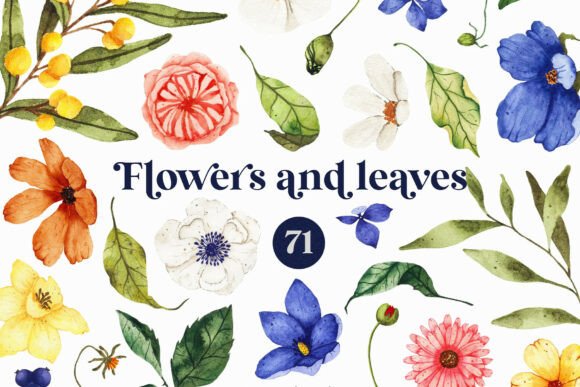
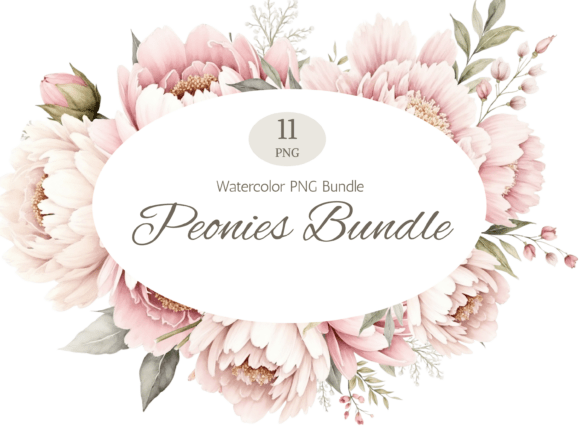
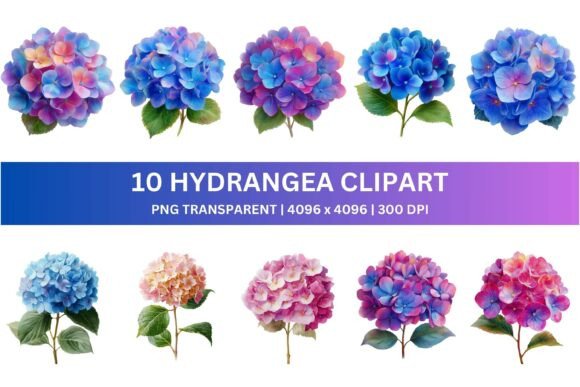
The true strength of this particular set lies in its nuanced color story. Moving beyond simple blues and purples, the palette is a carefully balanced mix of cerulean, deep violet, and soft periwinkle, with those unexpected whispers of sunset pink and coral creating depth and realism. This isn’t flat, cartoonish color. The subtle gradients and painterly bleeds mimic the way pigment naturally interacts with wet paper, giving each bloom a sense of volume and life. The inclusion of realistic leaf textures and the characteristic rounded cluster shape of hydrangeas means these elements look authentic, not generic. At 300 DPI with transparent backgrounds, they’re professional-grade assets ready for high-resolution printing or detailed digital layering. This level of detail is what separates amateur-looking projects from those with a polished, cohesive aesthetic.
From Digital Dashboards to Physical Products
The applications for such a versatile design asset are remarkably broad, spanning both the digital and physical realms. For the digital planner or content creator, these blossoms are perfect for creating custom stickers, decorating blog headers, or building themed social media templates that stand out in a crowded feed. Imagine a serene Instagram story background or a Pinterest graphic that instantly communicates a garden-fresh vibe. For those building a brand identity, especially in niches like boutique floristry, wedding planning, or artisanal goods, incorporating these elements into logo design, packaging, or website graphics can establish a recognizable and elegant visual language. The floral motifs work beautifully as accent pieces in a brand identity system, reinforcing a theme without overwhelming the core message.
When it comes to print materials, the high-resolution files ensure crisp, beautiful results. Think beyond basic invitations. Use them to design stunning menus for a spring event, create layered overlays for product photography, or produce unique wall art. For entrepreneurs, this opens up a world of print-on-demand possibilities—custom tote bags, apparel with a delicate floral accent, or stationery sets that feel special and curated. The key is to think of these clipart elements not as decorations, but as fundamental components of your visual storytelling. They can set the tone for an entire editorial layout or become the signature detail in your marketing assets.
Integrating Florals into a Cohesive Design System
Simply dropping a beautiful flower onto a project doesn’t guarantee a successful design. The real skill lies in integration. When working with a strong visual element like this watercolor hydrangea set, consider its role in the larger composition. It might serve as a vibrant header for a website, a subtle watermark on a business card, or a bold centerpiece for a poster. The goal is visual consistency. If you’re using these florals for your brand, choose a specific color from the clipart—perhaps that deep violet or soft periwinkle—and use it as an accent color across your other materials, from social media graphics to your website’s color scheme.
This is where thoughtful typography pairing becomes crucial. The organic, flowing nature of watercolor art pairs well with a variety of font styles. A clean, modern sans serif font can create a striking contrast, letting the floral art take center stage while ensuring readability. For a more romantic or elegant feel, a graceful script font or a refined serif font can complement the botanical theme. The principle is balance: if your clipart is detailed and vibrant, your typography might need to be simpler and more structured to avoid visual competition. Always test your font pairings with the actual clipart elements to see how they interact in terms of scale, color, and overall mood.
Practical Advice for Maximizing Your Investment
Before diving into a project, take a moment to review all the included elements in the clipart set. Note the variations in bloom size, leaf arrangement, and color intensity. This allows you to select the perfect piece for each specific use—a larger cluster for a hero image on a homepage, a single bloom for a social media icon, or a leafy sprig for a detailed corner accent. Understanding the full range of what’s included ensures you use the assets to their fullest potential.
Another critical consideration, especially for commercial use, is licensing. Reputable clipart sets come with clear commercial font and asset licenses, but it’s your responsibility to understand the terms. Check if the license covers the specific applications you have in mind, such as print-on-demand merchandise, digital product sales, or client work. This due diligence protects your business and ensures you’re using the design assets ethically and legally.
Ultimately, the value of a resource like a premium watercolor clipart collection is measured by its utility and the quality it brings to your work. It’s about saving time while elevating your creative output, allowing you to produce professional, engaging visuals that resonate with your audience. Whether you’re a small business owner crafting a product line, a designer building a client’s brand, or a hobbyist creating beautiful personal projects, having a go-to set of high-quality botanicals can become the foundation for countless inspired creations.